
We use cookies to provide you with the best possible online experience. Read our cookie policy.

The changing world of financial risk management post-Covid
As Covid-19 continues to take its toll on lives and livelihoods in South Africa and many other countries, it’s hard to imagine the world, or its financial markets, ever going back to normal.
That’s certainly true in the case of financial markets, where we can expect higher levels of volatility to prevail for years to come, even if volatility now is not at the wild levels it reached in the early days of the Covid crisis in March. In this “new normal” it is not only more essential than ever to hedge against higher levels of risk but also to hedge against a wider range of risks than corporate treasurers are accustomed to considering.
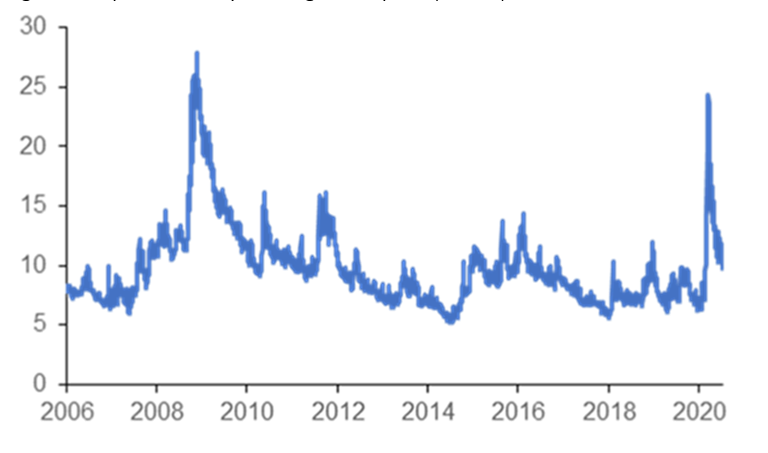
Figure 1: Implied volatility across global equities, bonds, currencies and commodities
Higher absolute risks
It has been true too of the rand foreign exchange market. The average volatility level for the rand over the long term is around 16%. Prior to the current crisis it had dropped as low as 12%- 13% – before spiking to about 30% when markets tumbled in late March on global coronavirus fears and South Africa’s credit downgrade. It has since fallen back again, but is unlikely to fall to the abnormally low pre-crisis levels for a long time.
Higher levels of volatility mean higher levels of risk, making it increasingly necessary for corporates to hedge that risk. Nor is this just a South Africa-specific story: we should expect volatility levels across most global markets to reset over time to levels which are higher than they were before the coronavirus crisis, and to stay relatively high for years to more.
Changing relative risks
It is not just that the level of risk is greater in this new post-pandemic world, but also that relative risks between asset classes have changed. This requires that corporates may have to pay attention to categories of risk that they previously ignored.
One key risk to consider is commodity prices, specifically of oil. Global oil price volatility soared to a record of more than 120% in March. Though it is now less than half of that, it is still higher than pre-crisis levels and than the long-term average of 33%.
With such high volatility, fuel pieces can move massively, and even companies that have relatively little fuel price exposure could be massively impacted. This is to say that absolute fuel price risks have increased and so anyone with exposure needs to be concerned.
But relative fuel price risks have also increased. Whereas oil prices were twice as volatile as the rand pre-crisis they are now closer to three times more volatile. The same holds for local fuel prices in rand terms, although not to the same extent (Figure 2). This is where the issue of dealing with new risks comes into play. Prior to the crisis, companies might have ignored their fuel price risks because other risks, such as the rand, were much more important. This will no longer be the case for many companies – in this “new normal” fuel price risks need to be reassessed and proper risk management put in place if necessary.
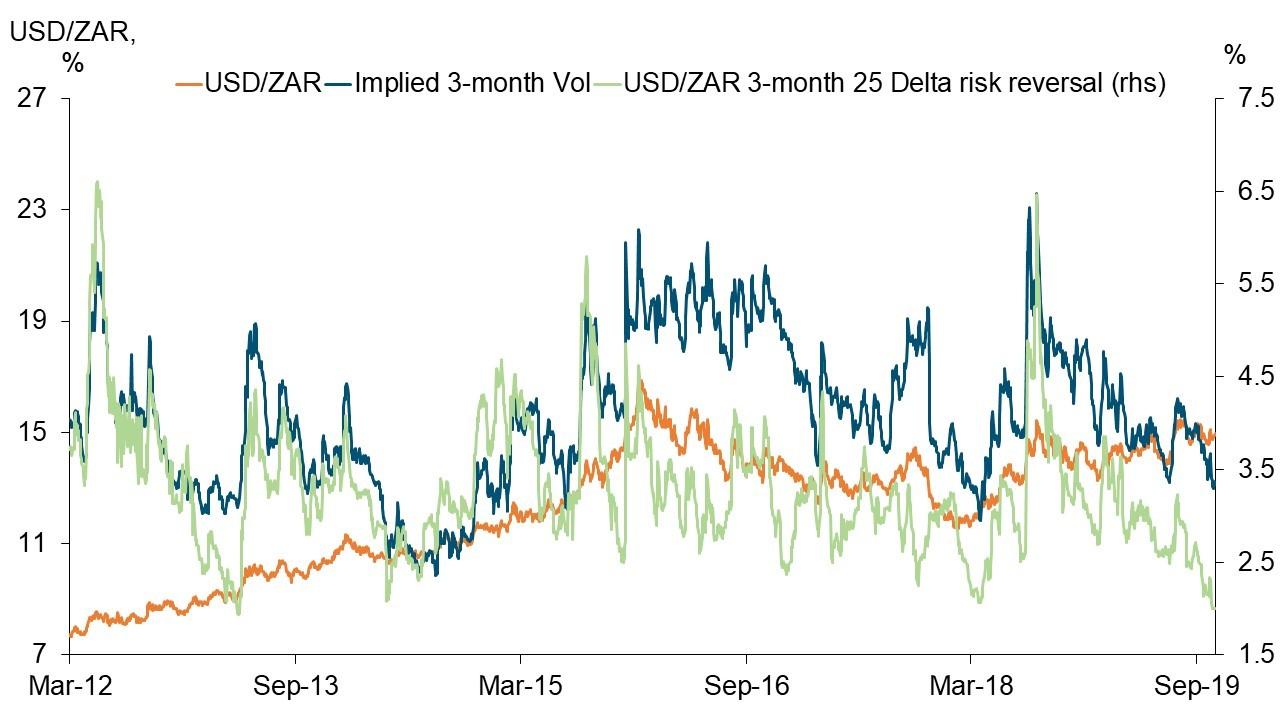
Figure 2: Volatility pre and post Covid across the three main asset classes
Note: Pre-crisis is defined as realised volatility in 2018 and 2019. Crisis is defined as March and April 2020.
Expected post crisis is estimated from implied 1-year implied volatilities. These are not perfectly available for Jibar and diesel so are estimated.
Longer-term risks
Another risk that is also more important in the “new normal” is interest rate risk. At first this may sound strange – given that we seem to be heading into a period where rates will be low for longer. That indeed is our belief and we do not think companies will experience many shocks on rates - whether Libor, Euribor or Jibar - over the next two or so years. However, whereas short-term risks may be minimal, longer-term risks have increased and companies with multi-year floating interest rate exposure need to be cognisant that the good times will not last for ever.
Consider US interest rate risks. The Fed’s promise of lower for longer, signalled at Jackson Hole, implies low levels of interest rate risk for the next few years. But the counterpart of lower for longer is that eventually rates will have to rise higher and faster than seen in previous cycles (the Fed will deliberately risk overheating the economy and then would have to compensate).
A slightly different story holds for South Africa. The SARB will probably not be as willing as the Fed to emphasise growth over inflation. However, South Africa’s fiscal problems have been amplified by the crisis, creating the potential for substantial trouble down the line. Unless the government gets its finances under control quickly the world will start demanding higher rand yields as compensation. This has already happened at the long-end of the curve but in a few years’ time we might see short-end rates also having to increase in order to keep foreign capital invested in the country.
It is a challenging time for corporate treasurers, as they manage the unprecedented economic fallout of the Covid-19 crisis at the same time as managing higher levels of market risk, across a range of asset classes. Identifying which risks to hedge, and how to hedge them, will demand more of their skills than ever.
Cairns is Global Markets Strategist at Rand Merchant Bank


